El Dorado Wine Country: California's Best-Kept Secret
When most people think of California wine country, their minds go straight to Napa Valley or Sonoma. Understandable — those regions have spent decades earning their international reputations.
But ask a seasoned wine traveler where they're heading next, and you might hear a different answer: El Dorado Wine Country.
Nestled in the Sierra Nevada foothills east of Sacramento, El Dorado County offers something increasingly rare in modern wine tourism: authenticity. Award-winning wines, dramatic mountain views, historic Gold Rush towns, genuinely welcoming tasting rooms, and a pace that feels refreshingly removed from the crowds that define California's better-known wine regions.
For visitors seeking exceptional wine experiences without the traffic, reservation battles, and premium pricing of the bigger appellations, El Dorado may be the state's best-kept secret. The only problem? The secret is starting to get out.
Where Is El Dorado Wine Country?
El Dorado Wine Country stretches along the western slopes of the Sierra Nevada mountain range, threading through the historic Gold Country communities of Placerville, Camino, Somerset, Fair Play, and the surrounding foothills.
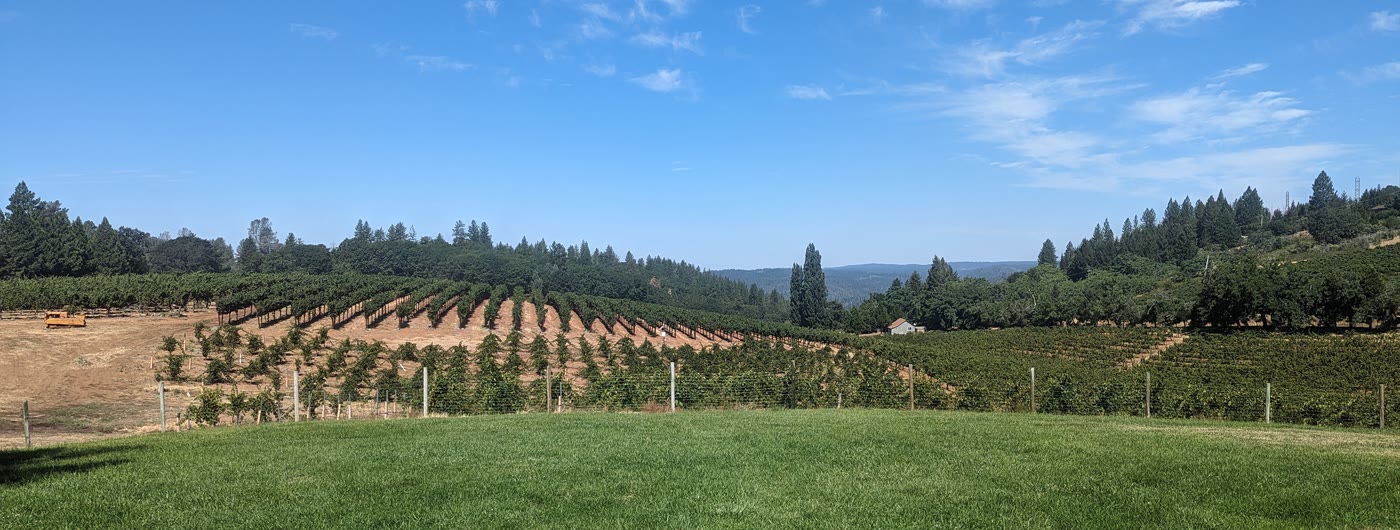
It sits just a short drive from Sacramento and roughly two hours from San Francisco — but the region feels worlds away from either. The landscape shifts noticeably as you climb into the hills: oak-studded ridgelines replace city streets, winding country roads pass vineyards and ranchland, and historic towns reveal Gold Rush-era character around nearly every bend. And then, of course, there are the vineyards. Thousands of acres of them.
A Wine Region With Deep Roots
Many visitors are surprised to learn that El Dorado's winemaking history predates much of modern California wine country. The region's viticultural roots stretch back to the mid-1800s, when miners arriving during the Gold Rush discovered that grapes thrived in the local climate and soils. Vineyards were being planted here long before Napa Valley became a household name.
Today, many wineries continue to embrace that pioneering spirit — blending traditional craftsmanship with innovative approaches that reflect the region's independent character. Unlike larger wine destinations dominated by a handful of major players, El Dorado remains largely driven by family-owned operations and passionate growers. That difference is immediately noticeable the moment you walk through a tasting room door.
What Makes El Dorado Wines Unique?
The answer starts with elevation. Many vineyards in El Dorado County sit between 1,200 and 3,500 feet above sea level — among the highest-elevation wine-growing sites in California. Those elevations create significant temperature swings between day and night: warm sunshine promotes ripening, while cool evenings preserve acidity and freshness.
The result is wines that combine rich fruit flavors with balance, structure, and complexity — a profile that appeals equally to casual wine drinkers and serious enthusiasts.
Beyond Cabernet: A Region Built for Discovery
One of the most compelling aspects of El Dorado Wine Country is its variety. While familiar grapes are certainly present, the region has earned a growing reputation for varieties that fly under the radar elsewhere:
- Zinfandel
- Barbera
- Grenache
- Syrah
- Mourvèdre
- Viognier
- Roussanne
- Tempranillo
- Sangiovese
- Petite Sirah
Many wineries specialize in Rhône, Italian, and Spanish varieties that thrive in the foothill climate, creating a tasting experience that's refreshingly different from more Cabernet-centric regions. Arriving expecting one thing and leaving with an entirely new favorite wine is a genuinely common outcome here.
The Fair Play Advantage
Ask local wine lovers where to begin exploring El Dorado, and one name comes up repeatedly: Fair Play. This sub-appellation has quietly become one of California's most respected wine-growing areas — situated at higher elevations with ideal growing conditions and home to a remarkable concentration of boutique wineries.
One of the region's greatest practical advantages is proximity. Unlike many larger wine destinations, tasting rooms here are often just minutes apart. You can move between three or four exceptional wineries without spending your day in transit — wine country the way most people imagine it should be: relaxed, scenic, personal, and focused on the wine.
Fewer Crowds, More Conversations
One of the biggest reasons visitors fall in love with El Dorado has nothing to do with the wine itself. It's the people.
In many tasting rooms, there's a genuine chance you'll meet the owner, the winemaker, the vineyard manager, or family members involved in the day-to-day operation. Conversations feel authentic rather than scripted. Questions are welcomed. Tastings regularly evolve into real discussions about harvests, vineyard challenges, local history, and winemaking philosophy.
For wine lovers seeking connection rather than simply checking destinations off a list, that experience can be hard to replicate anywhere else.
The Scenic Side of Wine Country
Wine is the primary draw, but the scenery earns equal billing. The Sierra foothills provide a dramatically different backdrop than California's coastal wine regions — rolling hills, mountain vistas, forested ridgelines, oak woodlands, seasonal wildflowers, and some of the most spectacular autumn colors in Northern California.
During harvest season, the landscape becomes especially striking as vineyards transition into shades of gold, amber, and crimson. Photographers find themselves stopping every few miles. Sometimes every few minutes.
More Than Just Wine
A visit to El Dorado Wine Country can easily become a full weekend — the region offers a genuinely appealing mix of wine, food, history, and outdoor recreation.
Historic Placerville
Placerville retains much of its Gold Rush character, with charming shops, restaurants, historic architecture, and walkable streets that make a natural starting point for the weekend.
Apple Hill
During autumn, the Apple Hill area draws visitors from across Northern California for fresh apples, baked goods, cider, pumpkin patches, and family-friendly activities that complement a day of tasting perfectly.
Outdoor Recreation
The nearby Sierra Nevada provides ready access to hiking, biking, fishing, and boating — and it's easy to pair a wine country day with an evening in the mountains.
Lake Tahoe Access
El Dorado's location makes it an ideal first or last stop on a Northern California trip that also includes Lake Tahoe — a combination that creates a uniquely complete getaway.
Harvest Season Is Pure Magic
If there's one time of year that locals consistently point to as the peak El Dorado experience, it's September and October. Harvest transforms the region. Vineyards are alive with activity, grapes arrive at wineries daily, fermentation aromas drift through cellar doors, and winemakers move between vineyard and crush pad in a carefully choreographed rhythm dictated entirely by weather and ripeness.
Visitors gain access during harvest to experiences that simply don't exist any other time of year — and the energy is unlike anything else in California wine country.
Why More Travelers Are Choosing El Dorado
This isn't about positioning El Dorado against Napa — Napa Valley remains one of the world's great wine destinations. But many travelers today are looking for something different:
- More personal experiences
- Smaller, family-run wineries
- Less traffic
- Easier reservations
- Better value
- Greater varietal variety
- Authentic hospitality
El Dorado delivers all of those things. The region feels less curated and more organic — a place where wine remains deeply connected to agriculture, community, and the land itself. For many visitors, that's exactly the appeal.
Planning Your First Visit
Allow more than one day
A day trip is possible from Sacramento, but a weekend gives you space to explore the region properly. The wineries reward a slower pace.
Make reservations
Many wineries recommend or require reservations, particularly on weekends and during harvest. Don't assume a walk-in is available.
Explore beyond the main roads
Some of the most memorable wineries in the region are tucked down scenic backroads that reward the curious traveler willing to stray from the obvious route.
Stay hydrated and pace yourself
The elevation, sunshine, and back-to-back tastings can be a potent combination. Water is your friend throughout the day.
Ask questions
El Dorado tasting rooms are known for their educational, hospitality-first approach. The people pouring your wine genuinely enjoy talking about it — take advantage of that.
The Bottom Line
California has no shortage of world-class wine destinations. But El Dorado Wine Country occupies a genuinely special place among them — exceptional wines without pretense, stunning scenery without overwhelming crowds, deep history alongside innovative winemaking, and the kind of authentic hospitality that's become harder to find in many of the state's more established regions.
Whether you're planning your first wine country adventure or you're a seasoned enthusiast looking for something new, El Dorado County deserves a spot on your list. Just don't be surprised if it ends up becoming your favorite wine region in California.
Some secrets are worth discovering.