Harvest Season in Wine Country: What to Expect in September & October
Ask a local winemaker when you should visit wine country, and chances are you'll hear the same answer: "Come during harvest."
From late August through October — depending on the region and the weather — wine country comes alive in a way that's difficult to describe until you've experienced it firsthand. Vineyards are buzzing with activity, grapes are arriving at wineries by the ton, and every day carries a sense of anticipation as winemakers race against nature to capture the perfect moment of ripeness.
For visitors, harvest season offers a rare opportunity to see the wine industry at its most authentic. It's exciting, energetic, occasionally chaotic, and completely unforgettable. Whether you're planning a trip to Napa Valley, Sonoma County, Amador County, El Dorado, or another wine-producing region, here's everything you need to know.
What Exactly Is Harvest Season?
Harvest season — often called "crush" in the wine industry — is the period when grapes are picked from the vineyard and brought into the winery to begin the winemaking process.
Unlike most agricultural crops that follow a fixed calendar, wine grapes are harvested when they're ready. Winemakers monitor sugar levels, acidity, flavor development, tannin maturity, weather forecasts, and a long list of other variables before making the call. One vineyard block may be harvested this week. Another may wait two more weeks.
Harvest season is, as a result, a constantly moving target. For visitors, that unpredictability is part of the magic.
Why September and October Are So Special
Wine country is beautiful year-round, but harvest has an energy that simply doesn't exist during other months. The vineyards are still lush and green, clusters of grapes hang heavily from the vines, and winery teams are working around the clock to bring in fruit at peak condition.
You'll often see:
- Vineyard crews harvesting grapes
- Tractor loads of freshly picked fruit moving through the property
- Crush pads in full operation
- Winemakers moving quickly between tasks and decisions
- Fermentation tanks actively bubbling
- More behind-the-scenes activity than any other time of year
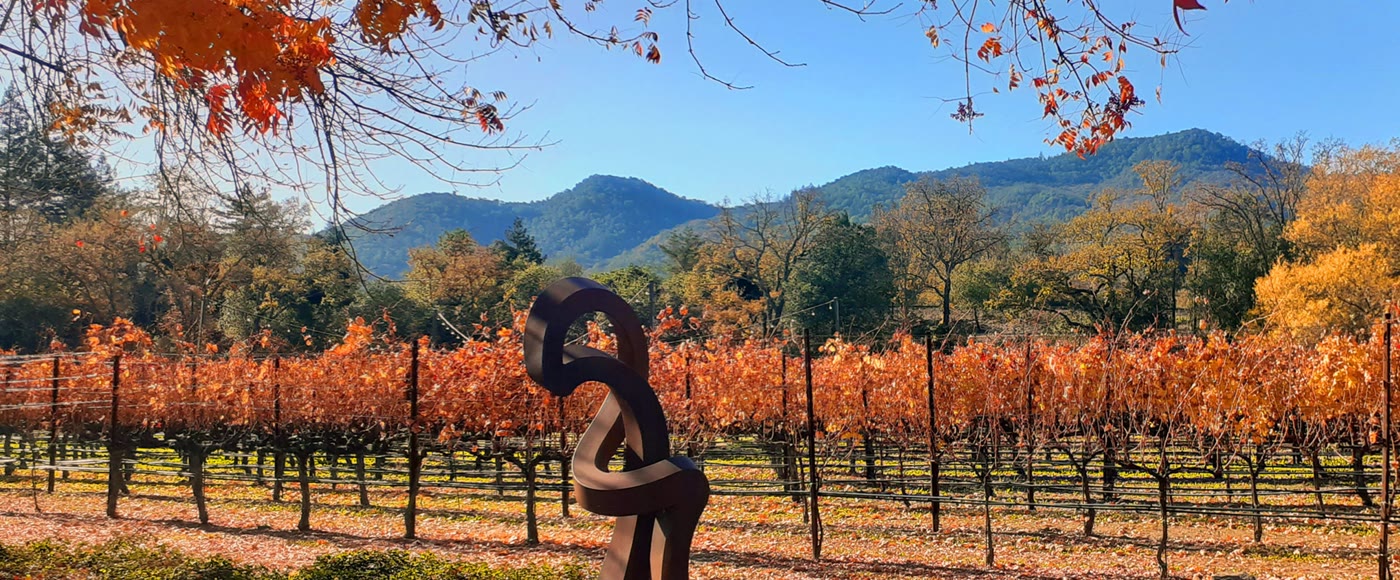
In many regions, the weather is near-perfect as well. Warm days, cool evenings, and golden autumn light create ideal conditions for both wine production and wine tourism. For photographers, it's arguably the most visually stunning season in wine country.
Expect a Different Kind of Winery Experience
One of the biggest surprises for first-time harvest visitors is realizing that wineries may feel busier than expected. That's because harvest isn't just a tourist season — it's the most important working season of the year. The people making your favorite wines are often juggling dozens of critical decisions each day.
Instead of viewing that as a drawback, think of it as a backstage pass. You aren't visiting a winery during a quiet period. You're seeing it in action.
Many tasting rooms embrace harvest by offering:
- Vineyard tours
- Crush pad demonstrations
- Barrel tastings
- Harvest-themed events
- Food and wine pairings
- Educational seminars
You'll often leave with a much deeper understanding of how wine is actually made than you would from any other visit.
The Smells of Harvest Season
One of the most memorable parts of visiting wine country during harvest isn't something you'll see. It's something you'll smell.
Freshly harvested grapes, fermenting juice, yeast activity, crushed fruit, and aging wine combine to create aromas unlike any other season. Some visitors compare it to fresh berries. Others notice hints of jam, baking fruit, flowers, or even bread dough. Walk near an active fermentation area and you'll quickly understand why harvest season engages all the senses.
It's a reminder that wine begins as agriculture long before it becomes a finished bottle.
You May Witness a Crush in Action
For many wine lovers, seeing a crush pad operating during harvest is the equivalent of getting sideline passes at a championship game. Freshly picked grapes arrive from the vineyard and move through a series of steps that may include sorting, destemming, crushing, pressing, and fermentation.
Depending on the winery and grape variety, you may even have the opportunity to observe equipment running in real time. Every winery approaches harvest differently, which makes these behind-the-scenes glimpses particularly fascinating. What looks like controlled chaos often reflects years — or decades — of accumulated expertise.
Harvest Events Are Everywhere
September and October are packed with winery events, festivals, and special experiences. Many wineries host seasonal celebrations that simply aren't available during other times of the year.
Vineyard Walks
Guided tours through active vineyards provide insight into grape growing, vineyard management, and harvest timing — often led by the winemaker or vineyard manager themselves.
Winemaker Dinners
These intimate experiences pair seasonal cuisine with winery-exclusive wines while offering direct access to winemakers and vineyard owners. They tend to book fast and sell out early.
Barrel Tastings
Some wineries allow guests to sample wines that are still aging in barrel before they're released to the public — a genuinely rare experience that gives you a window into what the vintage might become.
Grape Stomps
Yes, they're still a thing. While largely symbolic today, grape stomping events remain popular with visitors looking for a fun and memorable harvest experience. Worth it at least once.
Expect Larger Crowds
Harvest season is one of the most desirable times to visit wine country, which means you're unlikely to have it all to yourself. Popular wineries can book up weeks — or even months — in advance. Hotels often fill quickly. Restaurant reservations become more competitive.
If you're planning a September or October wine country trip, advance planning pays off considerably. Consider booking winery reservations, lodging, transportation, dinner reservations, and special events earlier than you normally would. The reward is access to some of the year's most exciting wine experiences.
If you're traveling with a group, a guided tour with NapSac Wine Tours takes the logistics entirely off your plate — winery reservations, transportation, itinerary sequencing. You show up; we handle the rest.
The Weather Is Usually Fantastic
One reason harvest season attracts so many visitors is the weather. Across most NorCal wine regions, September and October offer an ideal balance between summer warmth and fall comfort — sunny afternoons, mild evenings, lower humidity, clear skies, and comfortable outdoor tasting conditions.
That said, weather remains one of the biggest variables affecting harvest itself. A sudden rainstorm can dramatically alter picking schedules. A heat wave may accelerate ripening. Part of harvest's excitement comes from the fact that nature still has the final say, and winery teams are responding to it in real time during your visit.
Why Winemakers Love (and Fear) Harvest
Harvest is simultaneously the most exciting and most stressful time of the year for winery teams. After spending months nurturing a vineyard, everything comes down to a relatively short window of decision-making.
Pick too early and flavors may be underdeveloped. Pick too late and acidity can decline while sugars climb too high. Add weather uncertainty to the equation and it's easy to understand why harvest keeps winemakers awake at night.
Visitors often gain a newfound appreciation for wine after learning how many variables influence every bottle. What seems simple on a restaurant wine list represents thousands of decisions made throughout the growing season — most of which are invisible by the time the cork comes out.
Tips for Visiting During Harvest Season
Book ahead
This is the single most important piece of advice. Many wineries operate on reservation-only systems during peak harvest months. Don't assume you can walk in.
Start earlier in the day
Morning and early-afternoon tastings often feel more relaxed and provide opportunities to observe winery operations before the busiest visitor hours. You'll also catch the best light for photos.
Ask about harvest activities
Not every winery automatically advertises what's happening behind the scenes. Ask whether harvest tours, crush demonstrations, or special experiences are available during your visit — many are, and they're worth seeking out.
Bring layers
Mornings can be genuinely cool while afternoons remain warm. Layered clothing helps you stay comfortable throughout the day, especially if you're moving between vineyard walks and indoor tasting rooms.
Stay flexible
Harvest schedules can change quickly. A winery may suddenly shift operations due to weather or fruit arrivals. Approaching the experience with flexibility often leads to unexpected discoveries — and some of the best moments of a harvest visit are unplanned ones.
Is Harvest Season the Best Time to Visit Wine Country?
Many wine insiders would say yes. Spring offers vibrant green vineyards and wildflowers. Summer provides long sunny days. Winter delivers quieter tasting rooms and fewer crowds. But harvest season combines scenery, activity, education, and excitement in a way that no other period can match.
It's when wine country feels most alive. You aren't simply tasting finished wines. You're witnessing the beginning of future vintages — seeing vineyard crews, cellar teams, and winemakers perform the work that transforms grapes into bottles destined for wine cellars, restaurants, and dinner tables around the world.
September and October aren't just great months to drink wine in Napa, Sonoma, Amador, and El Dorado. They're the months when wine country tells its most compelling story.