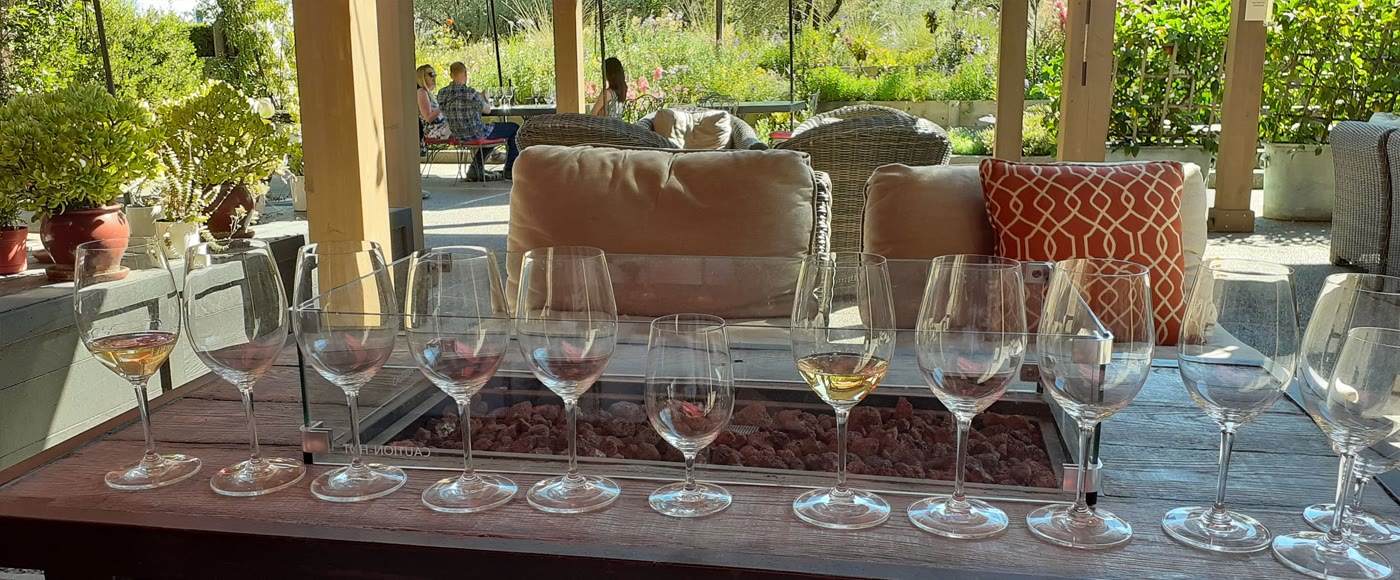
The Ultimate Guide to Wine Tasting Etiquette — What to Do, What Not to Do, and How to Look Like a Pro on Your First Tour
Wine tasting can feel a little intimidating the first time. There's swirling. There's sniffing. Everyone else seems to know exactly what they're doing, and the pours are small enough that every sip feels like it counts. The good news: the etiquette is far more approachable than it looks from the outside, and most of the rules exist for genuinely sensible reasons — not to make anyone feel unwelcome.
This guide covers what you actually need to know before your first tasting, what to do once you're there, how to handle the moments that feel awkward (spitting, not buying, leaving early), and the few things that will reliably get you sideways looks in a tasting room.
Before You Arrive
Eat something first
This sounds obvious, but it's the most commonly skipped step. Wine on an empty stomach hits harder and faster than most people expect — and you're usually tasting multiple wines across multiple stops. A solid meal or at least a substantial snack before your first pour makes the entire day more enjoyable and keeps you present for it.
Skip heavy fragrances
Perfume, cologne, and heavily scented lotions genuinely interfere with the tasting experience — yours and everyone else's. Aroma is one of the primary ways wine communicates, and competing scents in a small tasting room disrupt that for everyone at the bar. This isn't a precious rule; it's practical.
Make reservations
Many premium wineries — particularly in Napa Valley — are reservation-only these days. Walk-ins are increasingly rare, and showing up without a booking can mean turning around at the gate. If you're on a guided tour with NapSac Wine Tours, this is already handled for you. If you're doing it independently, call ahead.
Dress comfortably
Wine country is smart casual at most wineries, not black tie. Comfortable shoes matter more than people expect — some estates involve walking through the vineyard, crossing gravel paths, or navigating multi-level cellars. Leave the stilettos for the dinner reservation.
The First Rule: Pace Yourself
A tasting flight is usually four to six wines. A full day of touring might involve two or three different wineries. That adds up faster than it seems. Sip slowly. Use the provided dump bucket between pours if you need to — that's exactly what it's there for. Drink water throughout the day, and don't feel any pressure to finish every glass.
The goal is to actually taste the wine, not to consume it. Those are different activities.
How to Hold a Wine Glass
Hold it by the stem, not the bowl. The reason is temperature: your hand is significantly warmer than the wine should be, and a few minutes of palm contact can noticeably warm a white or rosé, changing how it smells and tastes. Holding by the stem also keeps fingerprints off the bowl, which matters when you're trying to assess a wine's color and clarity — two things that are part of the evaluation process even if you're not taking notes.
Yes, You Should Swirl
Swirling aerates the wine — it exposes the surface to oxygen and releases volatile aromatic compounds, which is fancy language for "it makes the wine smell like more things." Set the glass on the counter and move it in small circles rather than lifting it in the air and hoping for the best. After a few rotations, lift and smell. The difference is real and worth the minor awkwardness of doing it in public.
Smell Before You Sip
Stick your nose fully into the glass and inhale. What you smell is actually a preview of what you'll taste — most of what we perceive as "flavor" comes through the olfactory system, not the taste buds. You don't need to identify everything you're smelling, or anything. Just notice it. Over time, the vocabulary follows the experience, not the other way around.
Ask Questions
Tasting room staff are usually passionate about what they're pouring and genuinely glad when guests engage. Ask about the vintage, the varietal, the winemaker's approach, how the wine drinks with food. There are no embarrassing questions. The only version of this that crosses a line is monopolizing the host's attention for an extended stretch when the room is busy — read the room, and circle back during a quieter moment if you want to go deeper.
Is It Okay to Spit?
Yes, and professionals do it routinely. Every tasting room has a dump bucket or spittoon specifically for this purpose. Spitting is how sommeliers and winemakers taste dozens of wines in a day without losing the ability to evaluate them accurately. If you're going to multiple stops, using the dump bucket between pours is not a sign of disrespect to the wine — it's a sign that you actually want to remember the afternoon.
What If You Don't Like the Wine?
You don't have to finish it. Use the dump bucket, move to the next pour, and if a staff member asks what you thought, an honest "it's not quite my style, but I can appreciate the craftsmanship" is perfectly fine. Tasting rooms are not restaurants with tipping obligations on every glass — you're there to explore, and "not for me" is a completely valid finding.
Avoid Dominating the Host's Attention
Tasting room staff are often managing several groups simultaneously. Asking questions is encouraged; turning a single pour into a 20-minute private tutorial while others are waiting is less so. If you want an immersive, extended conversation with a winemaker or host, look for wineries that offer private tastings — many do, and they're specifically designed for that experience.
Wine Tasting Don'ts
Don't get loud
Tasting rooms tend to be intimate spaces. The acoustic environment matters to the experience. Keep the energy lively but the volume reasonable — especially when the room is busy with other guests who are also trying to taste and listen.
Don't wear fragrance
Already covered above, but it bears repeating because it's the single most common etiquette miss. It affects the experience for everyone in the room, not just you.
Don't expect free refills
Tasting fees cover a flight — a defined number of pours. Asking for additional tastings beyond what was included, or assuming the pours are bottomless, puts the staff in an awkward position. If you love a wine and want more, just buy a glass or a bottle. That's how it works.
Don't argue with the host
If you disagree with a wine description, a flavor note, or a price point — fine. Keep it to yourself or frame it as curiosity rather than a challenge. "I'm not picking up the blackberry — what are you finding it in?" is a conversation. "That price is insane for a Zinfandel" is not.
Don't overindulge
This one's about more than etiquette — it's safety. Wine country often means multiple stops, scenic drives, and hours of tasting. Know your limits, stay hydrated, and if you're on a guided tour with professional transportation, take full advantage of the fact that you don't have to worry about driving. That's exactly the point.
Buying Wine: The Etiquette Question Everyone Asks
There's no obligation to buy. Many tastings are complimentary or have a flat fee, and purchasing is entirely optional. That said, if a winery comped your tasting and you genuinely enjoyed the wines, buying a bottle is a gracious way to acknowledge that. If you're doing a tour and fell in love with a particular wine, most wineries ship — ask about their wine club or direct-to-consumer shipping before you leave.
One practical note: if you're buying bottles to take home, keep in mind that wine doesn't love a hot car. Many tour operators — including NapSac — can arrange for bottles to be stored or transported safely during the rest of the day.
Tipping: Should You Do It?
Tipping in tasting rooms has become more common in recent years, though it remains genuinely optional at most wineries. If you received attentive, personalized service — especially at a complimentary or low-cost tasting — a $5–$10 tip per person is appropriate and appreciated. At high-end wineries with elevated tasting experiences, tipping more generously makes sense. It's not required anywhere, but it's always welcome.
How to Instantly Look More Experienced
Take notes
You don't need a formal system. Even jotting down one or two impressions per wine — "darker, drier, goes with meat" — gives you something to reference later when you're trying to remember which Cabernet you loved and which one was fine. The act of noticing and recording also sharpens your palate over time.
Use descriptive language
Wine vocabulary is not gatekeeping — it's a shared shorthand for describing sensory impressions. Terms like "earthy," "tannic," "bright," "minerally," or "full-bodied" are useful precisely because they communicate something specific. You don't have to be fluent, but even a few descriptors will help you articulate what you're experiencing and make conversations with hosts more interesting for both parties.
Stay curious
The people who get the most out of wine tasting are rarely the ones who know the most. They're the ones who ask the best questions. Curiosity — about the soil, the vintage, the winemaker's decisions, the way the wine changed from one year to the next — is the thing that makes a tasting day memorable. Expertise follows naturally from that.
The Real Secret to Wine Tasting Etiquette
Most of it comes down to being a considerate guest: arrive prepared, engage genuinely, be mindful of the space and the people sharing it with you, and don't overdo it. The rest is just wine knowledge, and that develops naturally over time — especially if you're spending your days in places like Napa, Sonoma, Amador, and El Dorado with experienced guides who actually know the wineries they're taking you to.
If you're planning your first wine country tour and want the kind of day where everything is handled — the routing, the reservations, the transportation — NapSac Wine Tours runs private and group experiences across all four Northern California wine regions. You bring the curiosity. We handle the rest.